Deck Construction for Small Spaces: Smart Solutions for Urban Residences
Building decks in metropolitan areas introduces distinct challenges and possibilities. Restricted space demands creative design approaches that prioritize both functionality and aesthetics. Homeowners often seek ways to convert compact outdoor spaces into welcoming escapes. Through incorporating aspects such as multi-purpose furniture and effective privacy solutions, these modest decks can transcend their role as mere outdoor extensions. The dilemma endures: how can these confined spaces be optimized without compromising ease or sophistication?
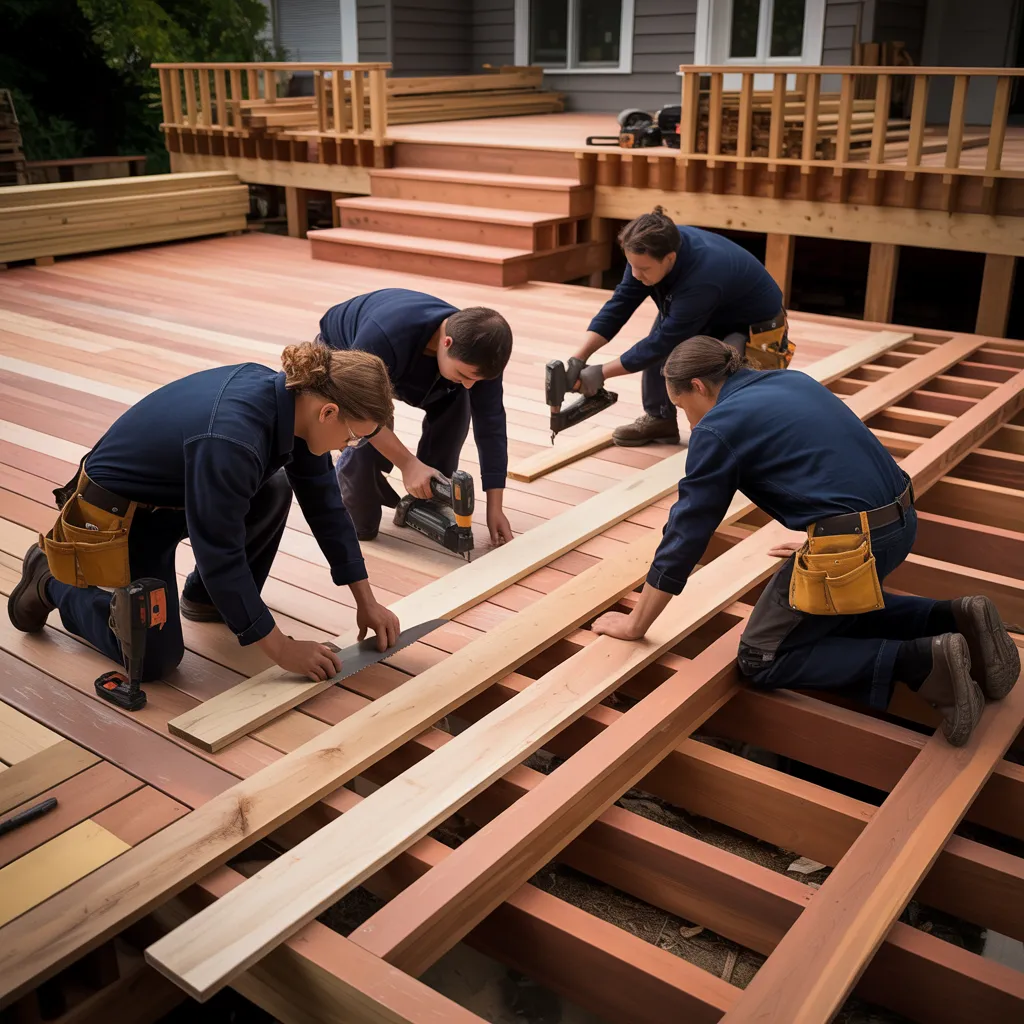
Making the Most of Limited Spaces
In limited spaces, quality deck construction calls for innovative design strategies that prioritize functionality. Skilled designers commonly concentrate on versatile design elements to optimize usability. For example, integrating fixed seating can remove the need for cumbersome pieces, opening up more room to move. Furthermore, including storage compartments under benches or in accent tables makes it possible to neatly organize patio essentials, preserving a neat and orderly space.
Vertical gardens are also capable of enhancing functionality by introducing greenery without occupying important floor space. Utilizing railings as planters or hanging pots can transform the deck into a vibrant oasis. Moreover, employing flexible layouts, such as modular furniture, enables quick reconfiguration for varied activities, ranging from relaxed get-togethers to peaceful retreats. Lastly, making the most of vertical space with overhead pergolas or trellises can establish a welcoming atmosphere while offering shade. Collectively, these strategies guarantee that even the smallest decks remain both practical and enjoyable.
Finding the Perfect Materials for Small Decks
Choosing suitable materials for small decks heavily influences both visual appeal and practicality. In metropolitan areas, where space is at a premium, the use of materials can improve the general appearance while guaranteeing durability. Composite decking is a commonly chosen option due to its minimal upkeep needs and durability against weather conditions, making it ideal for compact areas. Wood, particularly pressure-treated types or naturally rot-resistant species like cedar, provides warmth and a classic look but needs consistent maintenance.
Moreover, materials like aluminum or vinyl offer significant advantages, minimizing structural weight while enabling versatile design options. Regarding the aesthetic aspects, color and texture are essential factors; lighter shades can create an illusion of openness, whereas textured finishes improve traction and safety. In the end, the right combination of materials will not only beautify a small deck but also make certain that it remains functional and resilient in an urban setting.
Intelligent Design Ideas for Compact Decks
While maximizing the functionality of tiny decks can be challenging, smart spatial planning can turn these modest areas into charming outdoor sanctuaries. An efficient technique focuses on defining specific activity zones throughout the restricted area. To illustrate, a petite dining setup can be situated close to the railing, preserving the central space for easy movement. Integrating fixed benches or storage units can additionally expand seating possibilities without overwhelming the available space.
Another smart tactic is to integrate multipurpose furnishings, such as stools that double as planters or tables with storage compartments. This maximizes space and enhances visual appeal. Vertical gardening solutions, like hanging wall planters, can add lush greenery while preserving valuable floor space. Moreover, using a curved or unconventional layout can enhance the overall aesthetic, making the deck appear larger and more open. By thoughtfully arranging elements, even the tiniest deck can become a cozy sanctuary, ideal for relaxation and entertaining.
How to Establish Privacy on Your Small Deck
Creating privacy on a small deck can be achieved through several effective methods. A widely favored option involves using vertical planters that are filled with tall, leafy plants. These can create a natural barrier while enhancing the deck's aesthetic appeal. Another option is to install outdoor curtains or bamboo screens, which can be drawn closed to block sightlines from neighbors. Additionally, trellises adorned with climbing vines can offer both privacy and a touch of greenery.
Carefully arranged outdoor furniture, including a sectional sofa or a high bar table, can additionally create defined areas and establish a feeling of privacy. For homeowners looking for a more permanent solution, installing a privacy wall or lattice can provide a solid barrier while permitting air circulation and natural light. Ultimately, integrating these features can turn a compact deck into a private sanctuary, establishing a welcoming environment for leisure and gatherings.
Space-Saving Furniture for Small Decks
When creating small decks, multi-functional furniture is essential for optimizing utility. Space-saving seating solutions offer comfort while conserving valuable square footage, and adaptable storage options keep the space organized. This approach not only enhances functionality but also fosters an inviting outdoor atmosphere.
Space-Conscious Seating Choices
Compact decks present unique challenges, particularly when it comes to seating options. To maximize limited space, city residents can consider versatile furniture with multiple uses. For instance, storage benches can offer both a place to sit and space to keep outdoor necessities. Folding chairs and collapsible tables offer flexibility, permitting homeowners to establish an open zone as required. Nesting stools can be tucked away easily, welcoming additional visitors without overwhelming the space. Furthermore, permanent seating installed around the deck's border can maximize vertical space effectively. By adopting these compact seating arrangements, urban dwellers can turn their limited outdoor zones into useful and appealing havens, facilitating leisure and connection in metropolitan surroundings.
Diverse Storage Alternatives
While limited space can be challenging, versatile storage options can enhance the functionality of small decks. Multifunctional pieces, including benches with hidden storage compartments associated resource or ottomans that function as storage containers, delivers effective answers for urban homeowners. These pieces not only serve their primary purpose but also help keep outdoor areas organized and clutter-free. Moreover, wall-fixed shelves or vertical garden planters can optimize overhead space, permitting ornamental objects or gardening essentials to be housed effectively. Foldable tables can be put away during idle periods, reclaiming useful space. Such clever designs empower residents to craft appealing outdoor areas without compromising on vital storage, making compact decks more livable and enjoyable.
Innovative Lighting Ideas for Small Decks
How can one effectively illuminate a small deck while enhancing its charm? Thoughtful lighting choices can turn a modest outdoor space into a welcoming haven. Fairy lights are a favored option, providing a soft, welcoming radiance without overpowering the space. These lights can be arranged along railings or hung overhead to establish a magical canopy effect.
Solar-powered lanterns offer green alternatives that need no electrical wiring, making them excellent for urban settings. Positioning them thoughtfully around the patio can define spaces and highlight features.
Furthermore, recessed lighting or wall-mounted sconces can save floor space while delivering task lighting for nighttime gatherings. Cordless LED candles can bring ambiance without the danger of fire.
Integrating these lighting features not only boosts safety but also displays the deck's design, making it an inviting spot for relaxation or entertaining, even in smaller outdoor areas.
Care Guidelines for Small Urban Decks
Caring for a compact city deck can be straightforward with a few important practices. Regular cleaning is crucial; a quick sweep followed by a wash with gentle soap and water can prevent grime buildup. It's advisable to examine the deck regularly for evidence of deterioration, such as loose boards or rusted fasteners, addressing these issues promptly to prevent more extensive damage.
Applying a protective coating annually will increase protection against weather elements. In addition, keeping outdoor plants and furniture organized can avoid overcrowding, allowing for better air circulation and sunlight, which prevents mold from developing.
Homeowners with wooden decks, sanding rough spots and re-staining as needed can extend the deck's life and preserve its appearance. Finally, consider using furniture covers during severe weather conditions to protect assets. By adhering to these guidelines, urban homeowners can make the most of their compact outdoor spaces while maintaining both structural integrity and aesthetic value.

Questions We Get Asked Often
What Are the Best Plants for Small Deck Gardens?
For small deck gardens, small plants such as herbs, succulents, and dwarf flower or shrub varieties work best. These selections make the most of limited space while offering beauty and practicality, resulting in a lively and inviting outdoor setting.
How Can I Address Deck Drainage Problems?
To resolve deck water drainage concerns, homeowners should guarantee the correct slope, set up drainage channels, and consider permeable materials. Ongoing care, such as removing debris from gutters and downspouts, is also effective in preventing standing water on the deck.
Am I Able to Install a Small Deck on a Balcony?
Certainly, a small deck can be set up on a outdoor space, as long as it adheres to structural weight requirements and local building codes. Careful preparation and building materials are essential to guarantee structural integrity and usability in these limited areas.
What's the Average Cost of Building a Small Deck?
The typical cost of constructing a small deck falls between $15 and $35 per square foot, based on materials, design intricacy, and regional labor costs. Various elements may impact the overall budget and project scale.
How Can I Ensure Safety on a Small Deck?
To ensure safety on a small deck, one should utilize robust materials, consistently examine for deterioration, maintain adequate railings, ensure adequate weight distribution, and follow local building codes to avoid mishaps and improve usability.